Exploring how immersive worlds, shared adventures, and meaningful connections can help children and youth experience belonging.
Every parent wants their child to have a good life. To feel happy, confident, understood, and accepted. To develop meaningful friendships, discover their strengths, and find places where they genuinely belong.
But what happens when your child wants connection and can’t seem to find it?
Perhaps they come home from school exhausted from navigating social expectations. Maybe they’ve tried different programs or activities, yet still struggle with friendships, anxiety, or feeling misunderstood.
As a parent, you may find yourself wondering: How do I help my child feel good about themselves, build meaningful relationships, and enjoy a better quality of life?
At Mind 2 Heart Connections, we believe this question belongs at the heart of mental health care.
Mental Wellness Begins With Connection and Belonging
Mental wellness isn’t simply about navigating social situations successfully. It involves understanding ourselves, expressing emotions, communicating our needs, developing meaningful relationships, and feeling accepted for who we are.
Canadian research involving nearly 12,000 adolescents found that a strong sense of community belonging appeared to buffer the negative relationship between disability-related discrimination and life satisfaction (Daley et al., 2018).
The message is important: relationships, acceptance, and belonging deserve a central place in how we support children’s mental wellness.
Belonging isn’t something children should have to earn by learning to fit in. It’s something we have a responsibility to create.
What If We Entered Their World?
For many neurodivergent children and youth, shared interests offer natural opportunities for connection.
Imagine entering a fantasy world, creating a character, navigating an adventure, or working with others to build something extraordinary in Minecraft.
Through shared quests, imaginative storytelling, decision-making, and collaboration, children can explore emotions, communicate their needs, solve problems, and develop relationships.
Canadian researchers have explored the potential of facilitated Minecraft experiences to encourage communication and collaborative engagement among autistic youth (MacCormack & Freeman, 2019). Emerging research from Trent University also describes opportunities for connection, self-expression, and agency through collaborative fantasy role-playing (Smith & Agostino, 2026).
At Mind 2 Heart Connections, we’re bringing these ideas into our broader mental health programming.
We don’t begin with a game and try to make it therapeutic. We begin with children’s mental health needs and thoughtfully choose experiences that help bring that learning to life.
Bringing Mental Health Learning Into Immersive Worlds
Through our M2H Day Program, we’ve developed an in-depth, neuroaffirming mental health curriculum exploring emotions, self-regulation, grief and loss, friendships, self-advocacy, and understanding oneself.
We’re now adapting selected activities from that curriculum into specially designed Minecraft experiences.
Imagine exploring how the brain and body respond to stress through an interactive adventure, discovering strategies for emotional regulation, or collaborating with others to create an environment that supports safety and connection.
These experiences combine mental health learning with creativity, exploration, and meaningful opportunities to connect.
Mental wellness is our foundation. Fantasy, adventure, and immersive gaming are some of the ways we bring that learning to life.
New Opportunities at Mind 2 Heart Connections
Fantasy Adventures — Launching Now
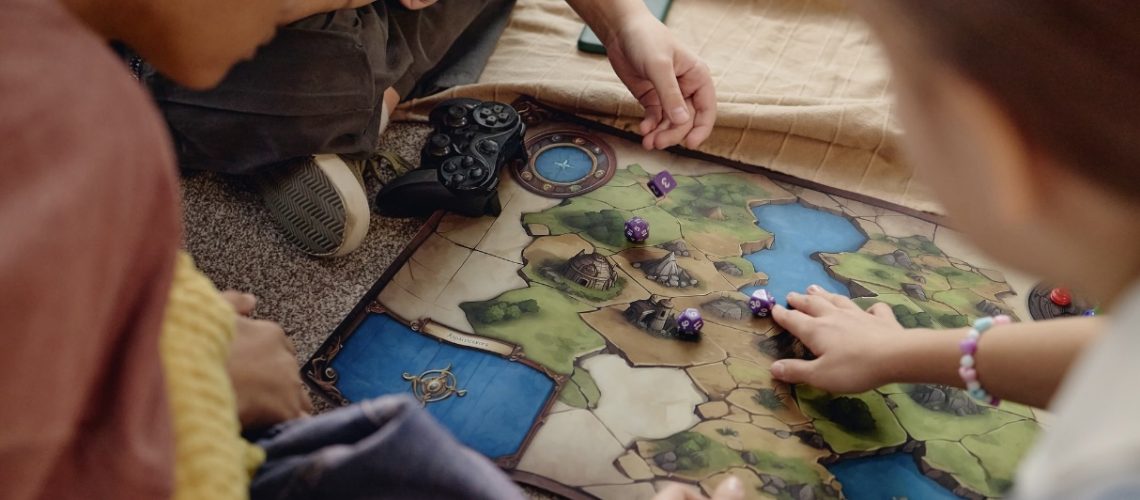
Our collaborative role-playing mental health groups use imaginative adventures, including Dungeons & Dragons, to support emotional exploration, communication, relationships, and belonging.
In-person and virtual groups are launching on Friday evenings.
Minecraft Mental Wellness Programs — January 2027
Guided Minecraft experiences will integrate activities from our mental health curriculum into interactive digital worlds.
Our coached Minecraft Community World, planned for spring 2027, will offer children who have participated in our programs opportunities to continue applying their learning and connecting with peers.
Because Quality of Life Matters
For parents, the hope is often simple: a child who feels happier, more confident, connected to others, and comfortable being themselves.
That hope guides our work.
Because supporting mental wellness isn’t simply about helping children navigate the world around them.
It’s also about creating opportunities for them to genuinely belong.
Interested in the Research?
Learn more about the Canadian and international studies examining belonging, neuroaffirming communication, Minecraft, and collaborative fantasy role-playing.
[Read Our In-Depth Article: Therapeutic Gaming, Fantasy Role-Playing and Neurodivergent Mental Health — What the Research Shows]
References
Daley, A., Phipps, S., & Branscombe, N. R. (2018). The social complexities of disability: Discrimination, belonging and life satisfaction among Canadian youth. SSM – Population Health, 5, 55–63. https://doi.org/10.1016/j.ssmph.2018.05.003
MacCormack, J. W. H., & Freeman, J. (2019). Part 2: The virtual environment social program for youths with autism spectrum disorder. International Journal of Play Therapy, 28(4), 218–237. https://doi.org/10.1037/pla0000093
Smith, J. D. E., & Agostino, A. (2026). Fostering social connectedness: Autistic adolescent’s experiences of a Dungeons & Dragons social program. Research in Neurodiversity, 2, Article 100041. https://doi.org/10.1016/j.rin.2026.100041
